12 hr
Rotorua Geothermal & Māori Cultural Experience from Auckland
- Expert local guide
- Small group
- Skip-the-line access
- Free cancellation
Auckland To Rotorua Tour — Te Puia Guided Entry
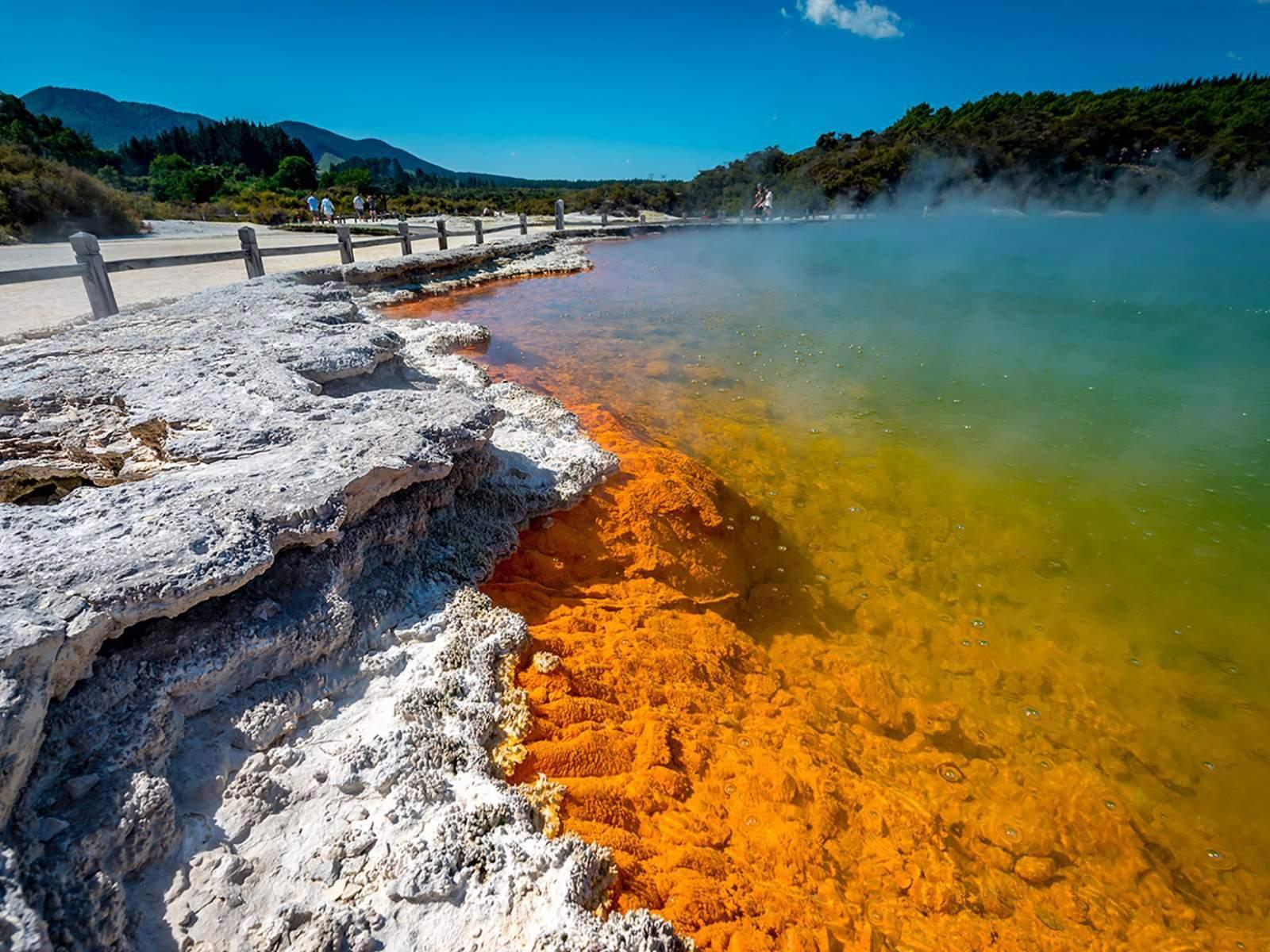
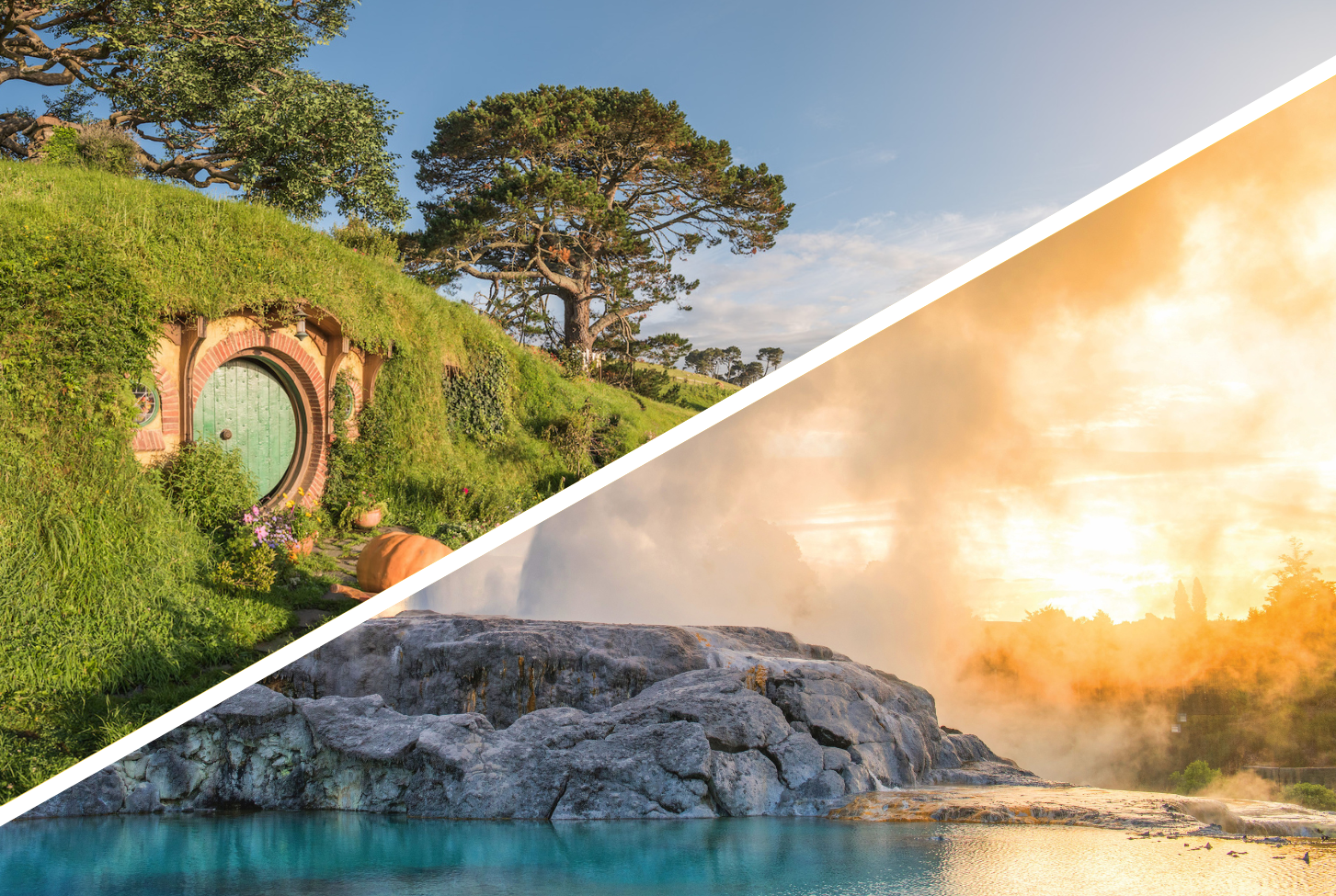
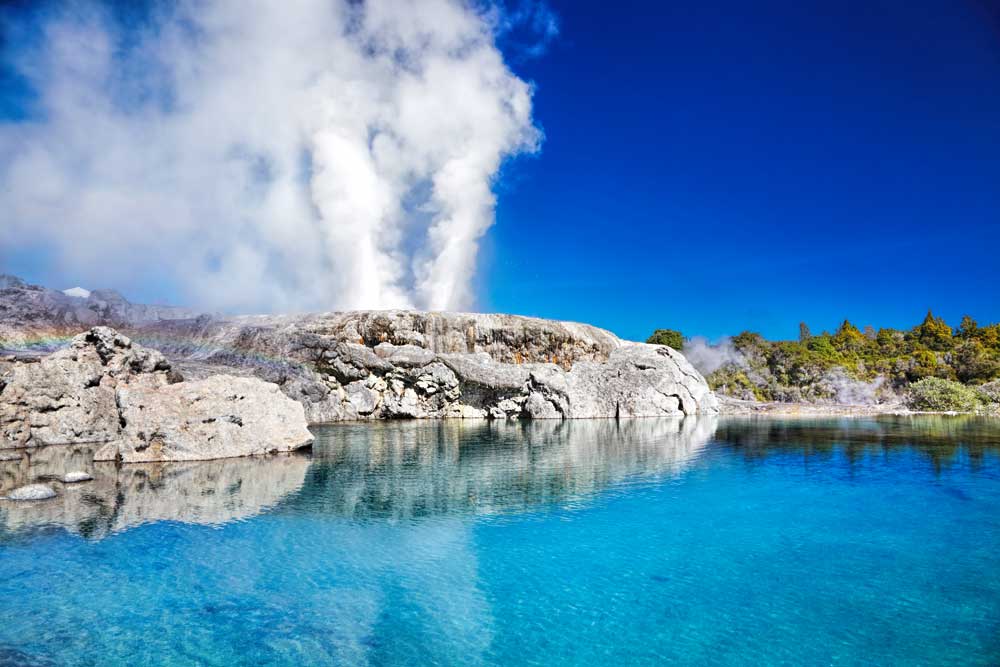
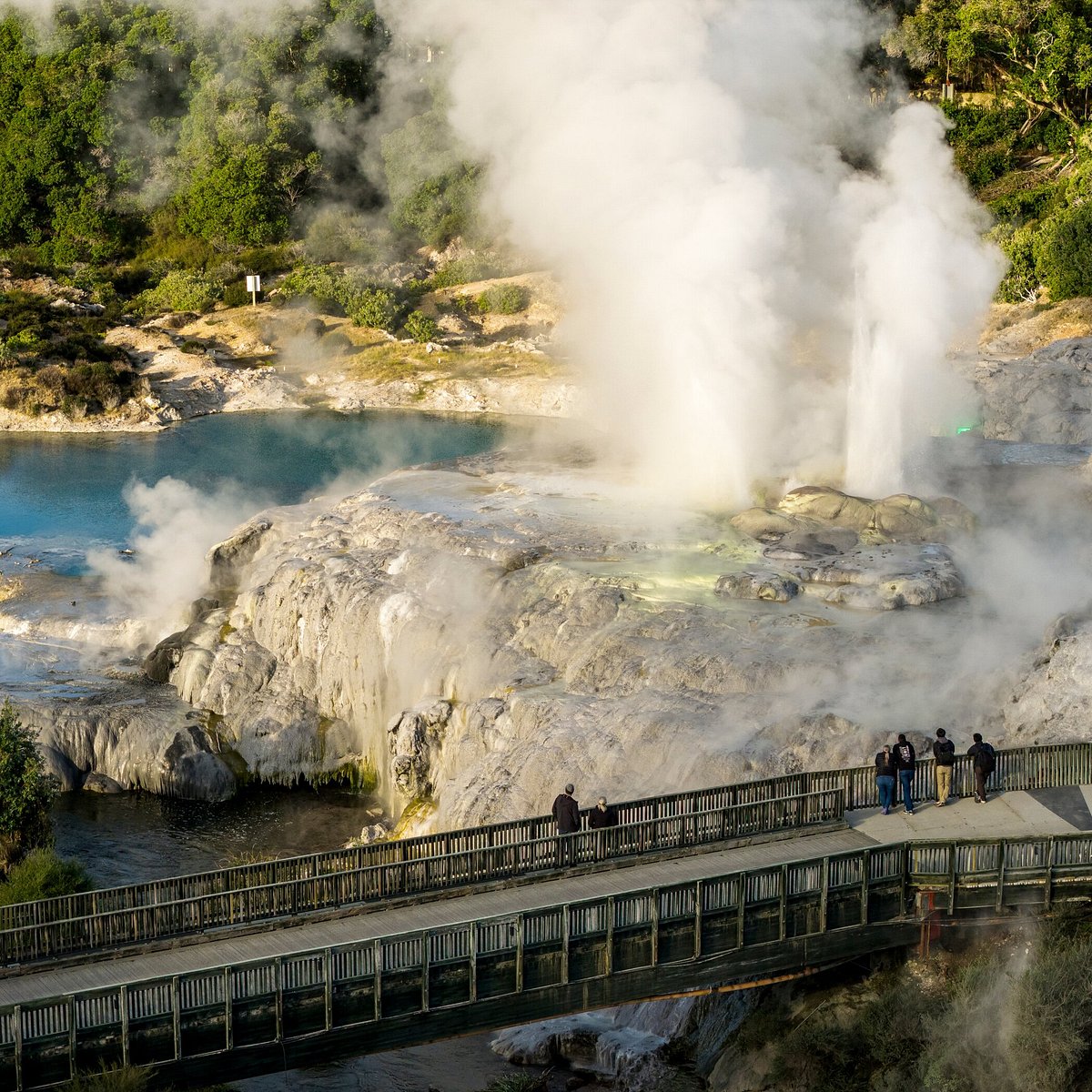
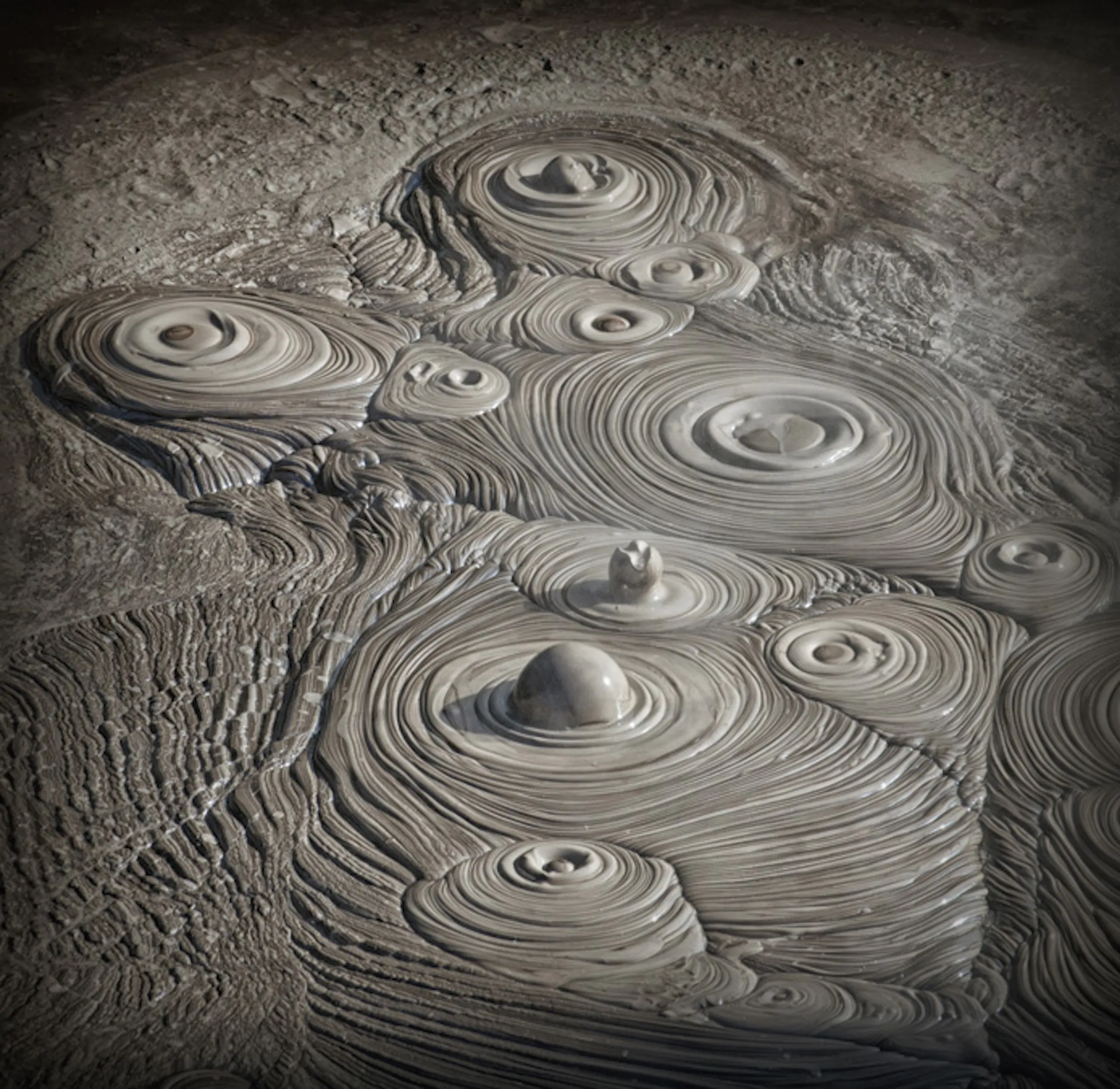
Silica terraces steam at dawn, carvers work until closing light.
Compare fares, pick the fit — all bookings are mobile-voucher and eligible for free cancellation where shown.
12 hr
13 hr
13 hr
| Experience | Duration | Rating | Pickup | Skip-the-line | Guide | Small group | Price | |
|---|---|---|---|---|---|---|---|---|
|
Guided Experience
Most popular
Rotorua Geothermal & Māori Cultural Experience from Auckland
|
12 hr | ★ 4.9 | ✓ | ✓ | ✓ | ✓ | €203 | Book → |
|
Guided Experience
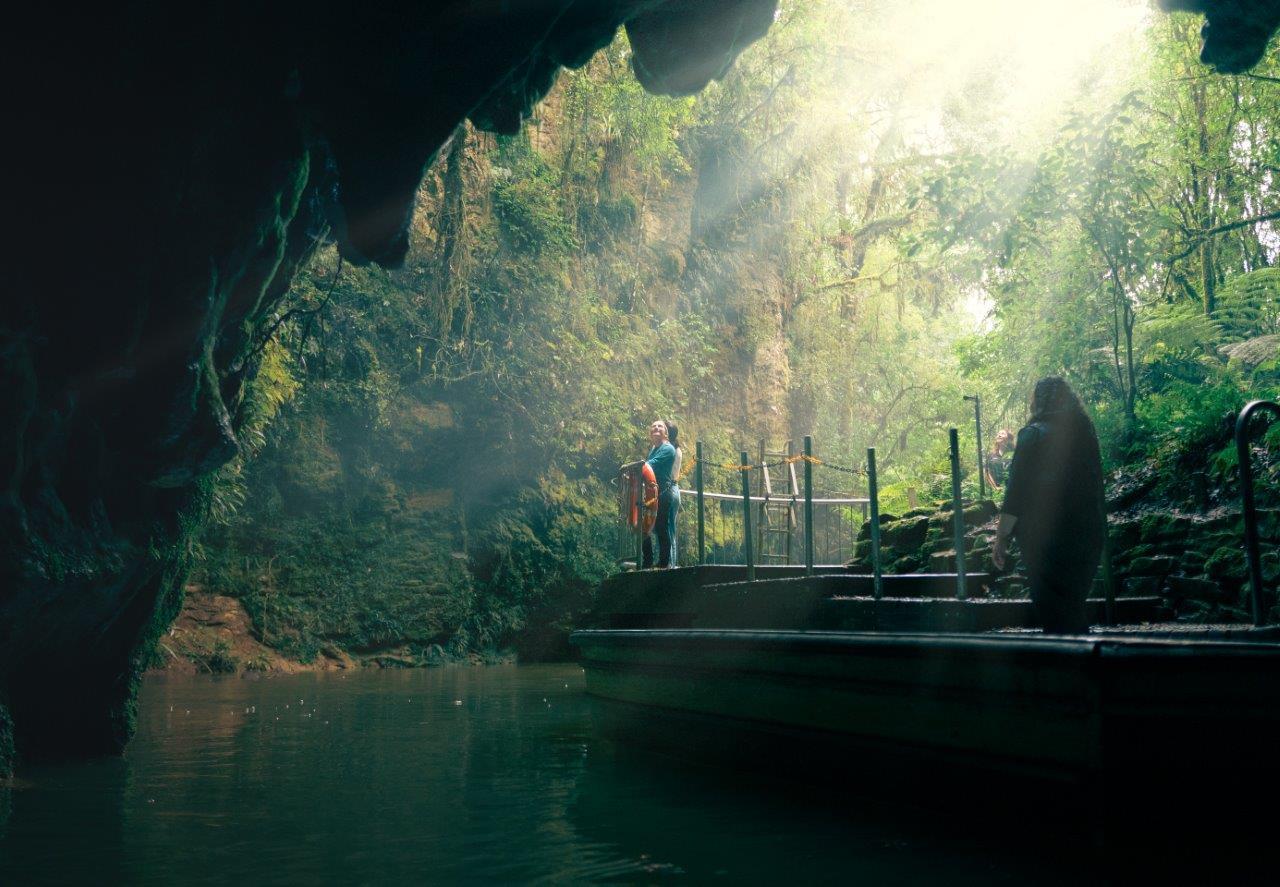
Waitomo Glowworm Caves & Rotorua Te Puia Day Trip from Auckland
|
13 hr | ★ 4.8 | ✓ | ✓ | ✓ | ✓ | €208 | Book → |
|
Guided Experience
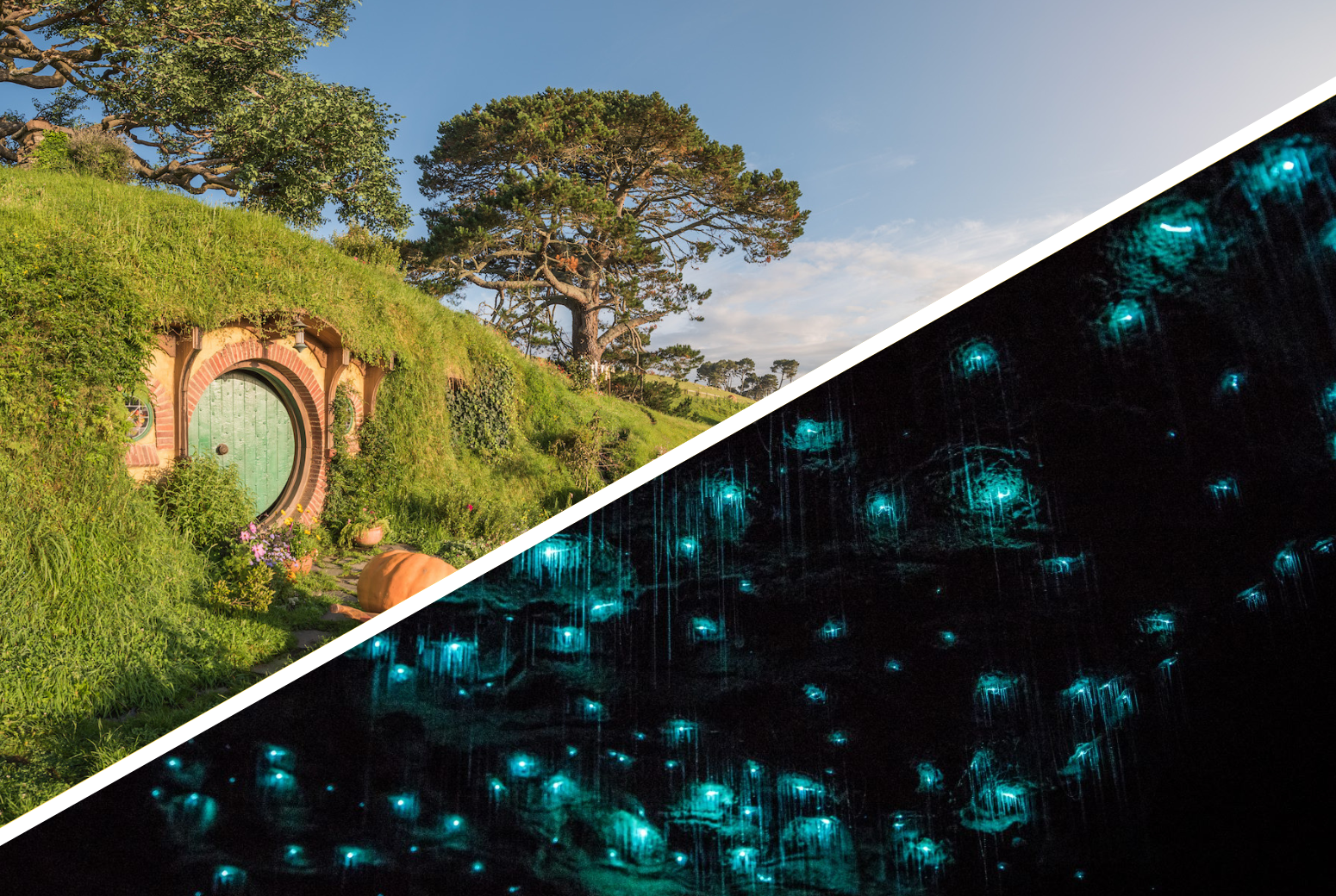
Hobbiton & Waitomo Caves Day Tour with Lunch
|
13 hr | ★ 4.9 | ✓ | ✓ | ✓ | ✓ | €231 | Book → |
Worth it for first-timers, skippable for repeat geothermal visitors
At 105 NZD for adult entry to the Te Rā guided experience, an auckland to rotorua tour stop here costs roughly what a mid-range dinner does, and the value hinges on what you actually want out of it. You get the Whakarewarewa geothermal valley — Pōhutu geyser, silica terraces, boiling mud pools — plus access to the New Zealand Māori Arts and Crafts Institute, where the carving school and weaving school are working training grounds rather than staged demonstrations. That combination is genuinely hard to replicate: free thermal parks exist around the region, but none pair the volcanic landscape with living cultural transmission. Auckland Rotorua day tours often bundle this at similar cost. It pays off for first-time visitors, anyone curious about whakairo and raranga, and photographers. It pays off less for travellers who have already done Wai-O-Tapu or Hells Gate and only want geothermal scenery.
Bottom line: If you only book one cultural stop on your Auckland to Rotorua tour, make it this one — the geothermal valley alone justifies the ticket, and the arts schools make it memorable.
Hand-picked experiences loved by thousands of travelers
10 - 13 hours
Free Cancellation
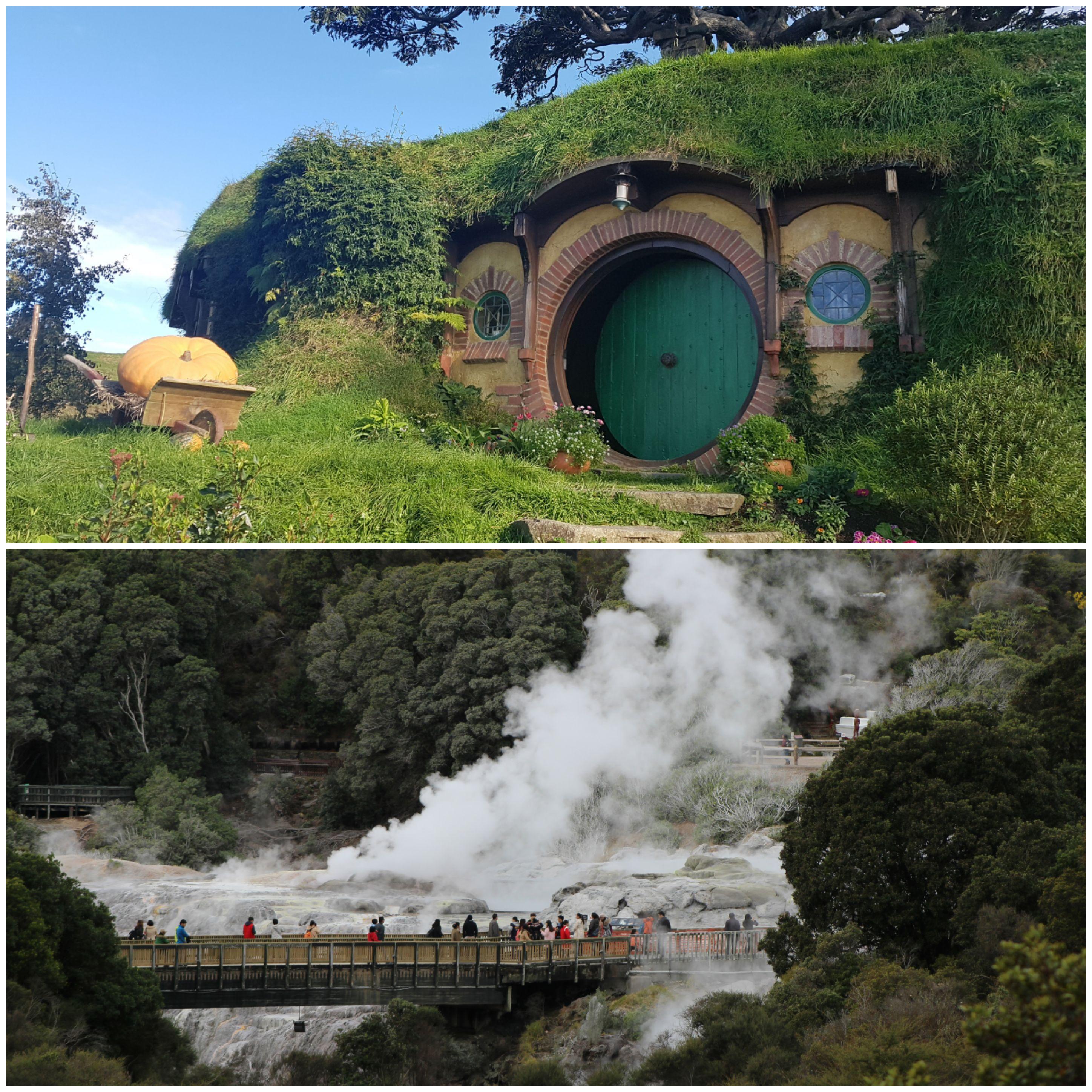
Journey through Middle-earth film locations and witness geothermal marvels in a premium small-group experience
13 hours
Free Cancellation
Journey through Middle-earth film locations and witness Māori culture at bubbling geysers
12 hours
Free Cancellation
Journey through Middle-earth film locations and volcanic wonders on this premium full-day adventure
12 hours
Free Cancellation
Discover bubbling geysers, traditional Māori performance, and soothing thermal pools on this day trip from Auckland
12 hours
Free Cancellation
Full-day journey to Rotorua's geothermal marvels and Māori heritage sites with lunch included
13 hours
Free Cancellation
Journey through Middle-earth and underground wonders on this epic one-way adventure from Auckland
12 hours
Free Cancellation
Discover geysers, indigenous traditions, ancient forests, and crystal-clear springs on this immersive full-day journey
7 hours
Free Cancellation
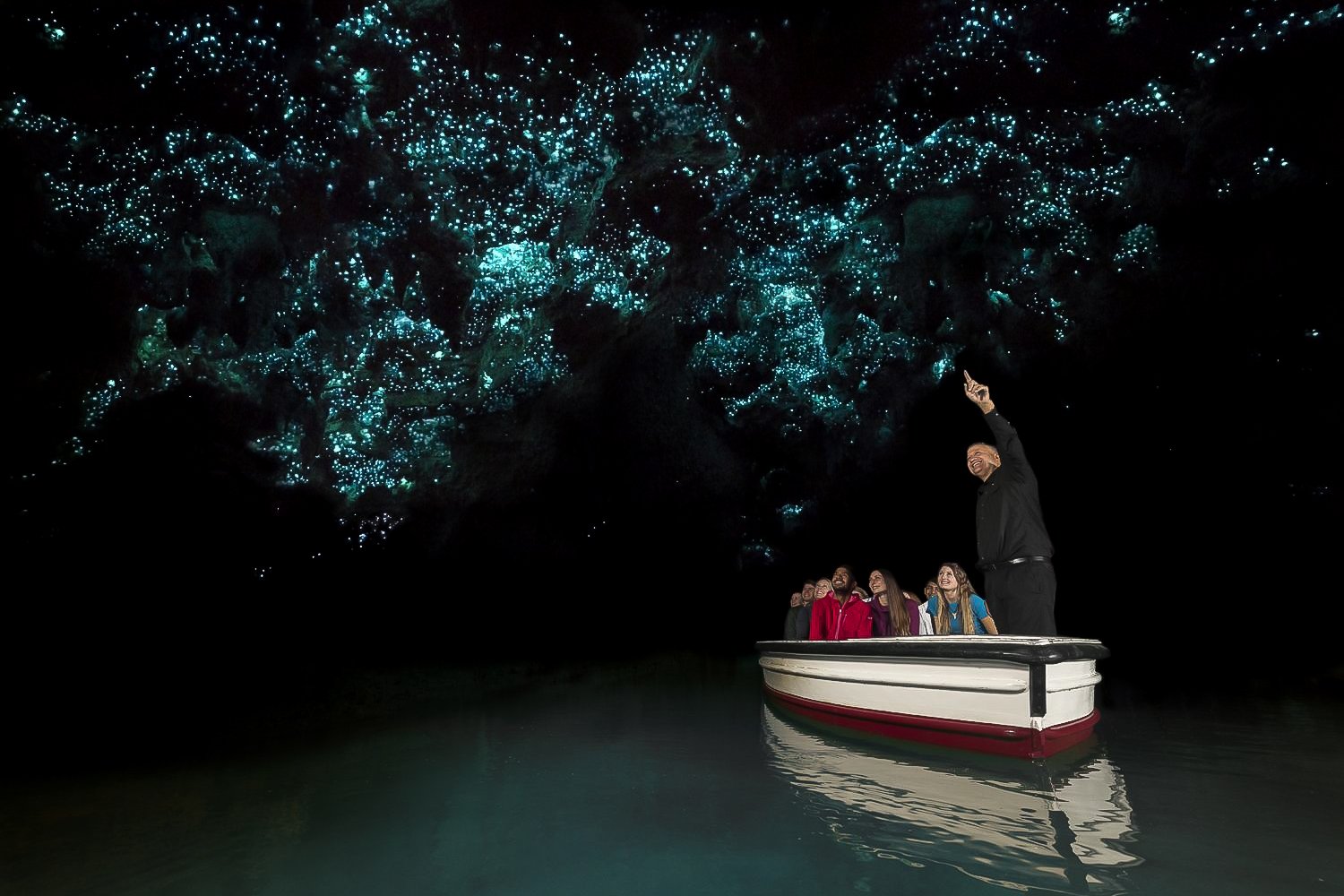
Travel south through scenic farmland to underground caverns lit by thousands of glowworms, ending in Rotorua
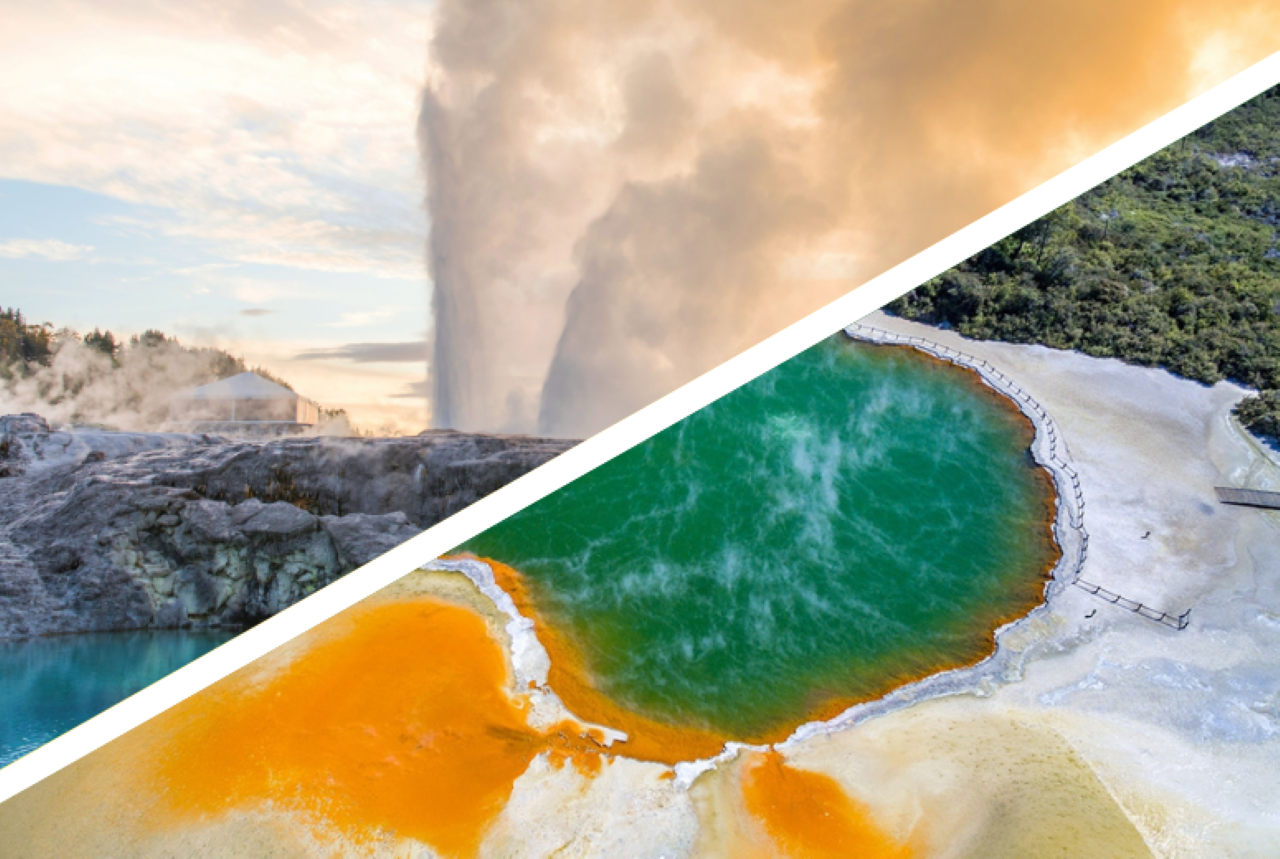
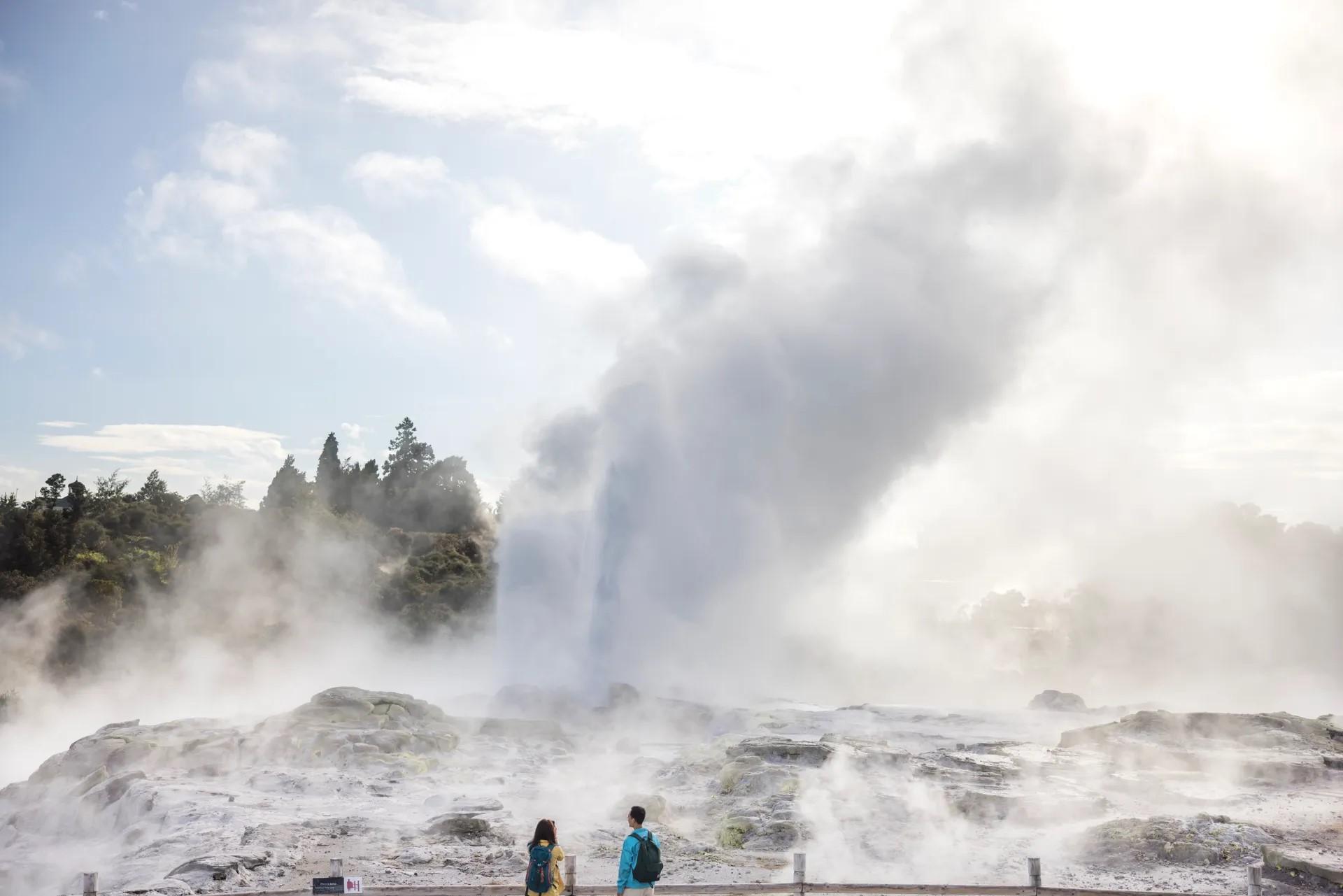
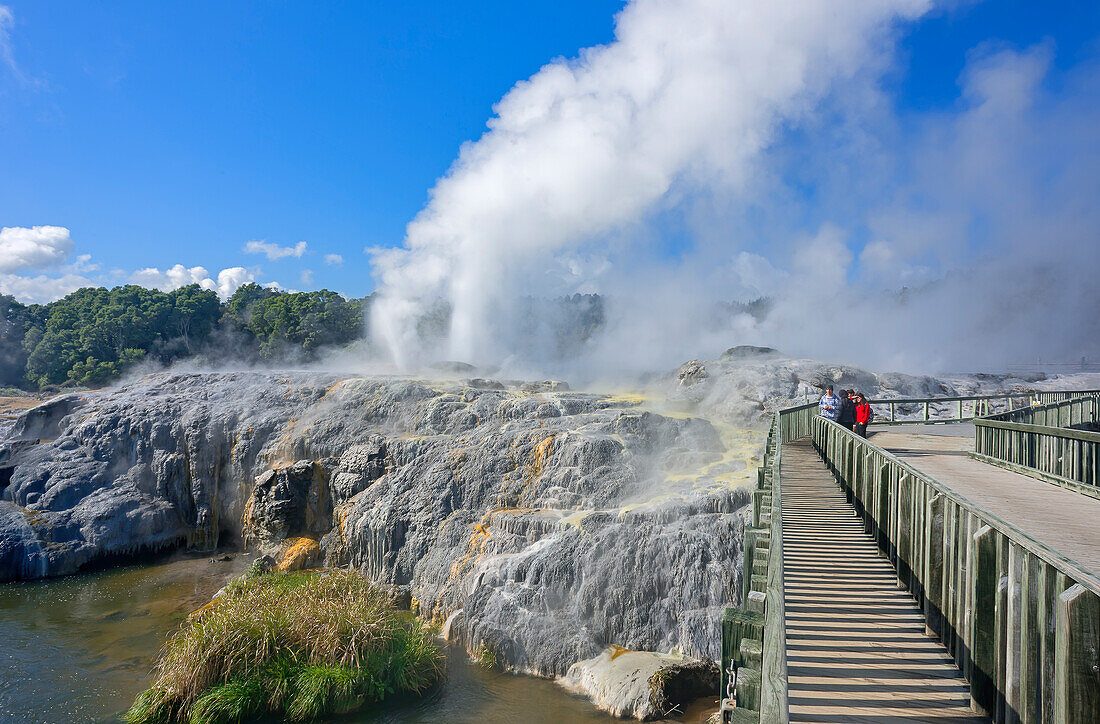
The largest active geyser in the Southern Hemisphere, erupting up to 20 times daily and reaching 30 meters. It is the centerpiece of any Rotorua geothermal tour.
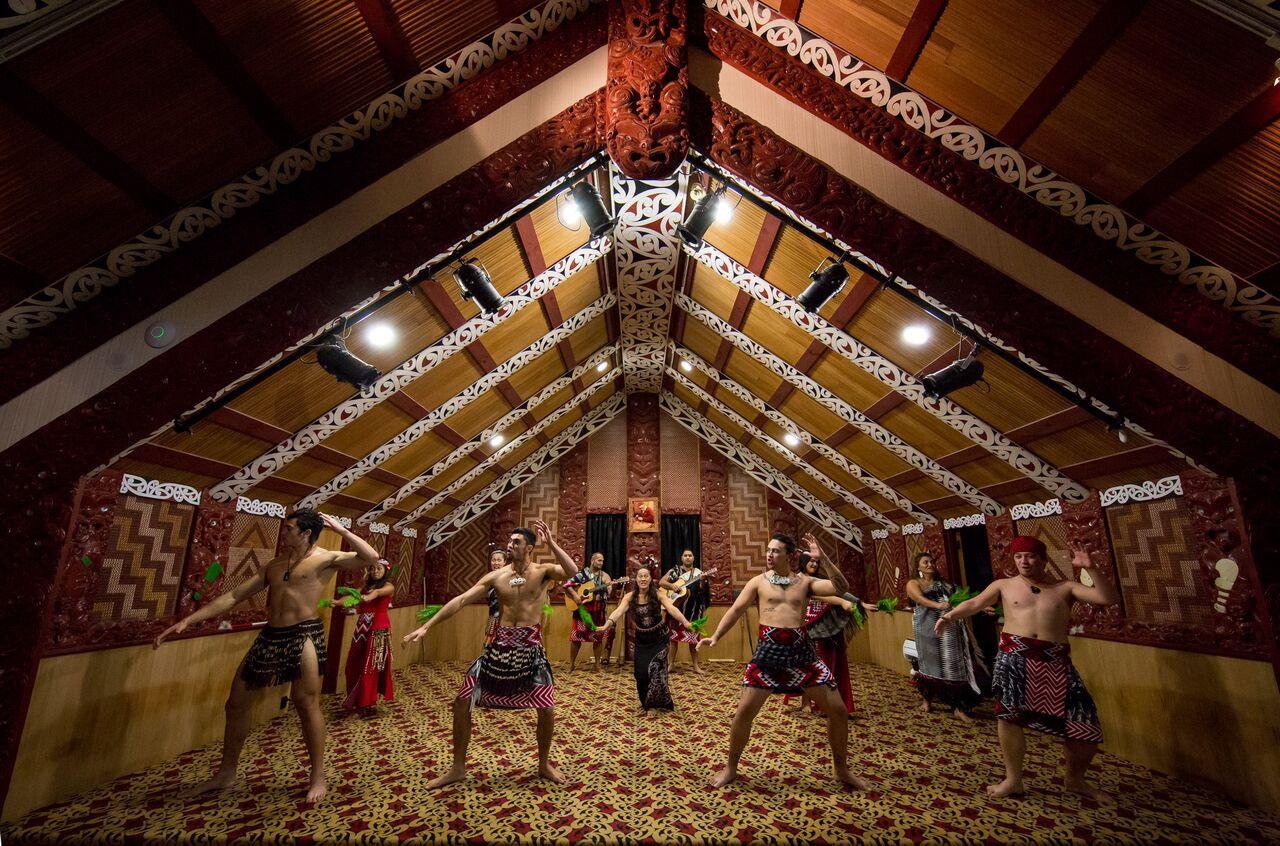
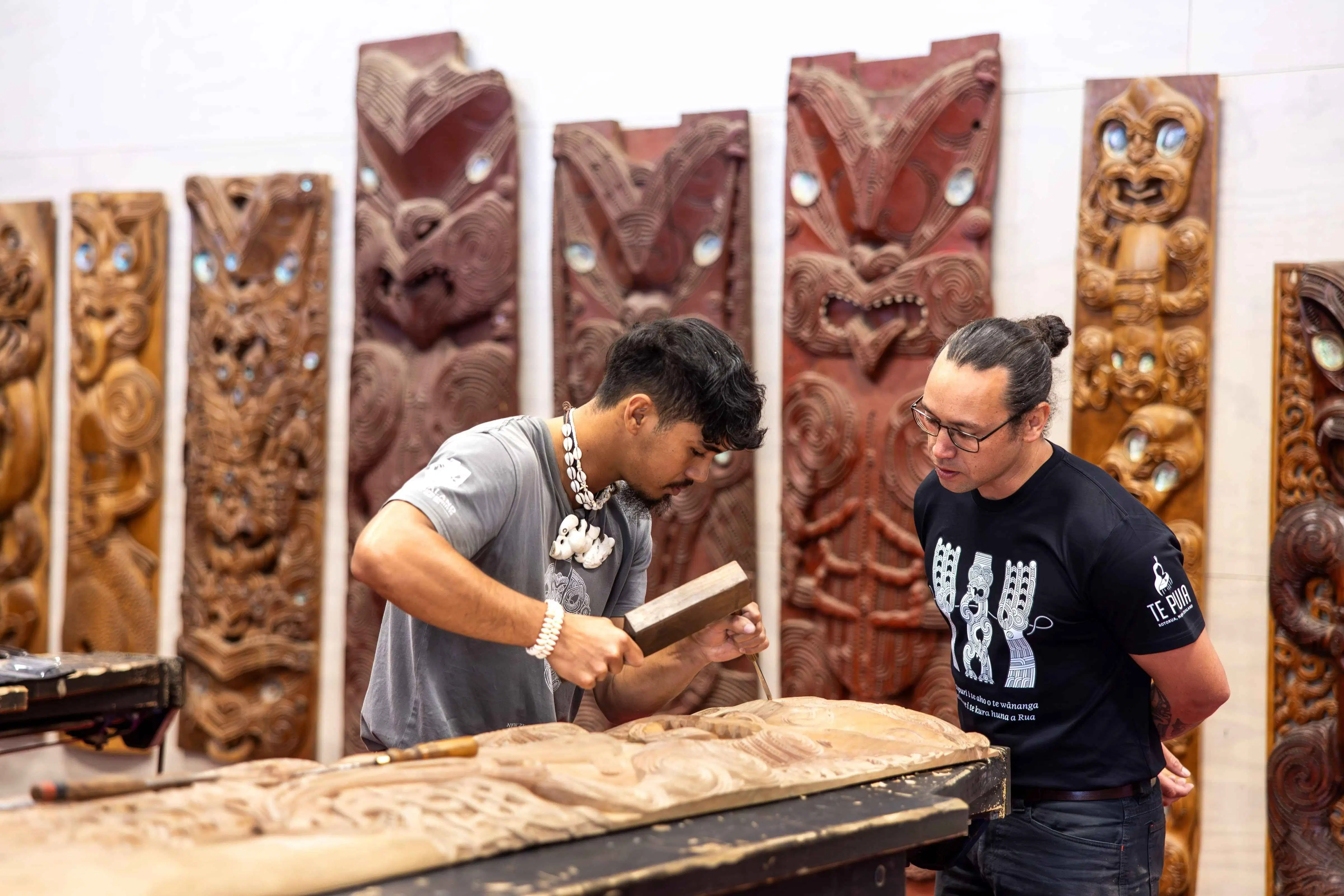
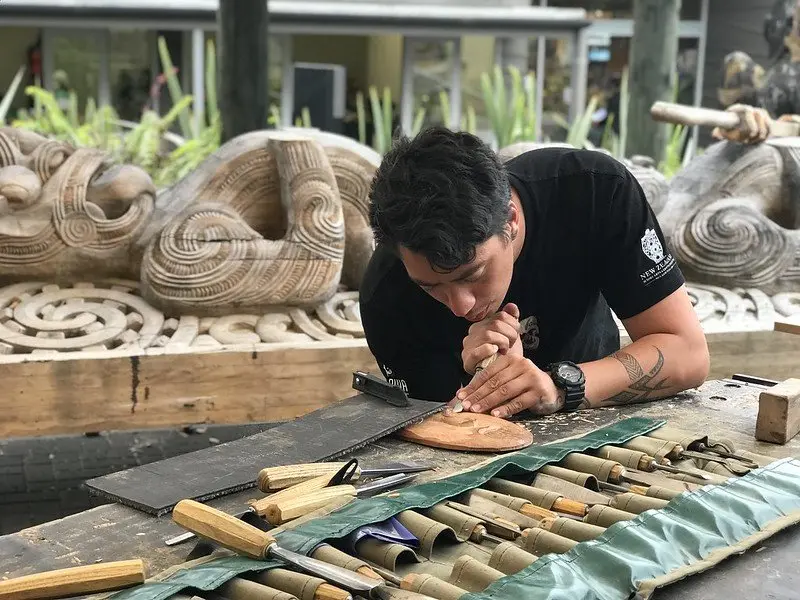
Watch traditional wood carving and weaving students maintain ancient cultural skills. This institute is a cornerstone of New Zealand heritage.
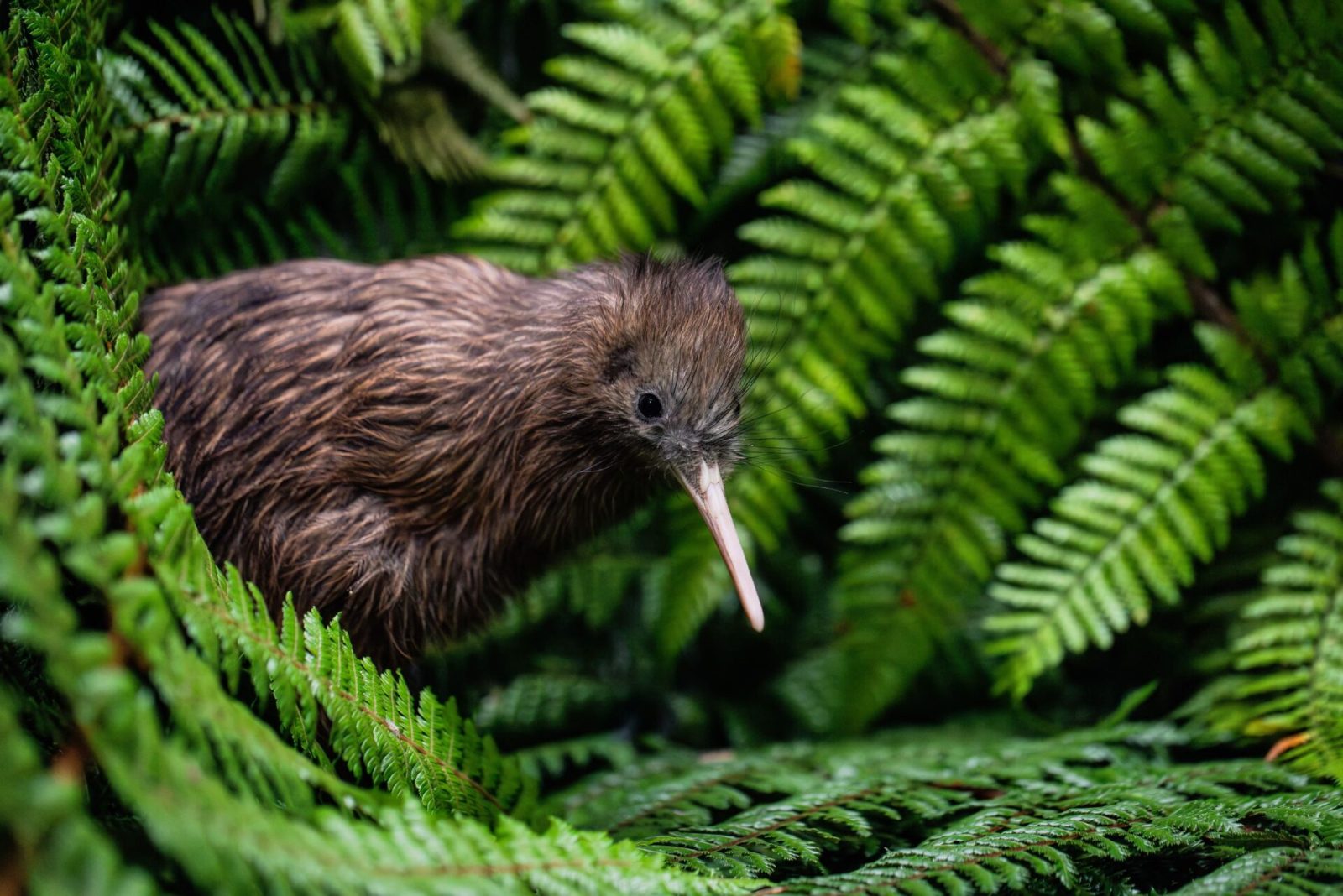
Get a rare glimpse of New Zealand’s national treasure in a specialized nocturnal enclosure. It is a highlight for those visiting on an auckland to rotorua tour.
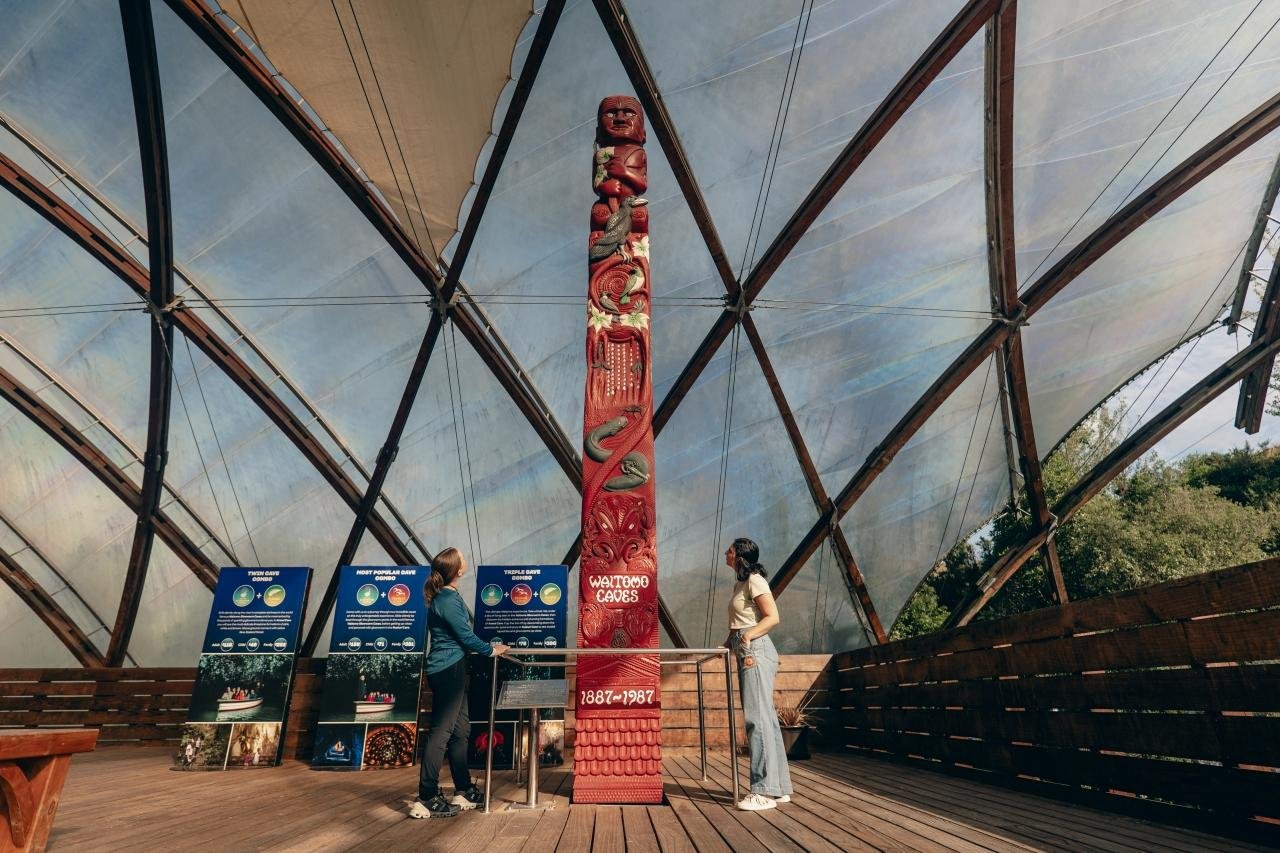
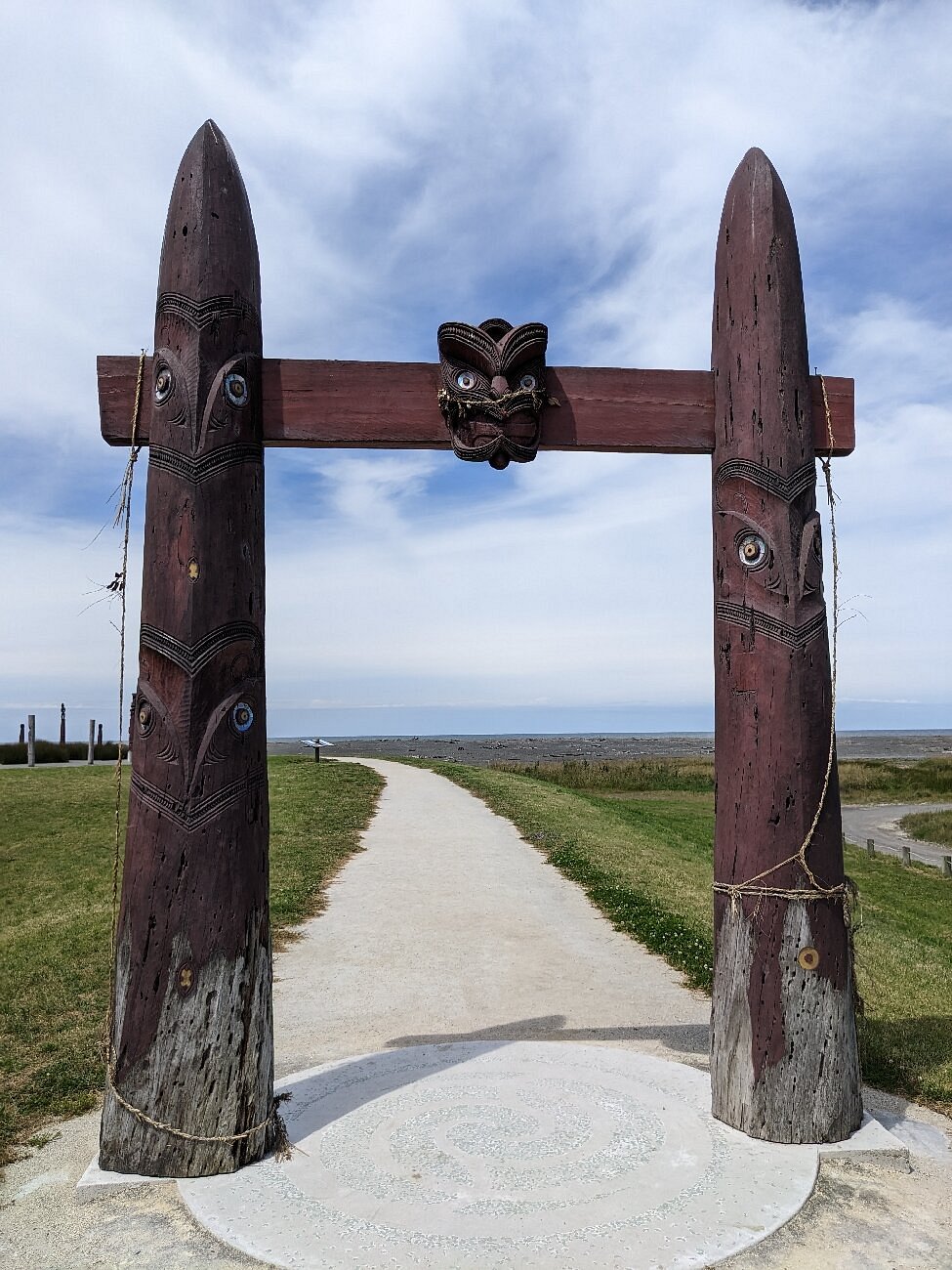
A monument featuring 12 towering carved posts representing the heavenly origins of the Māori people. It serves as an impressive gateway to the site.
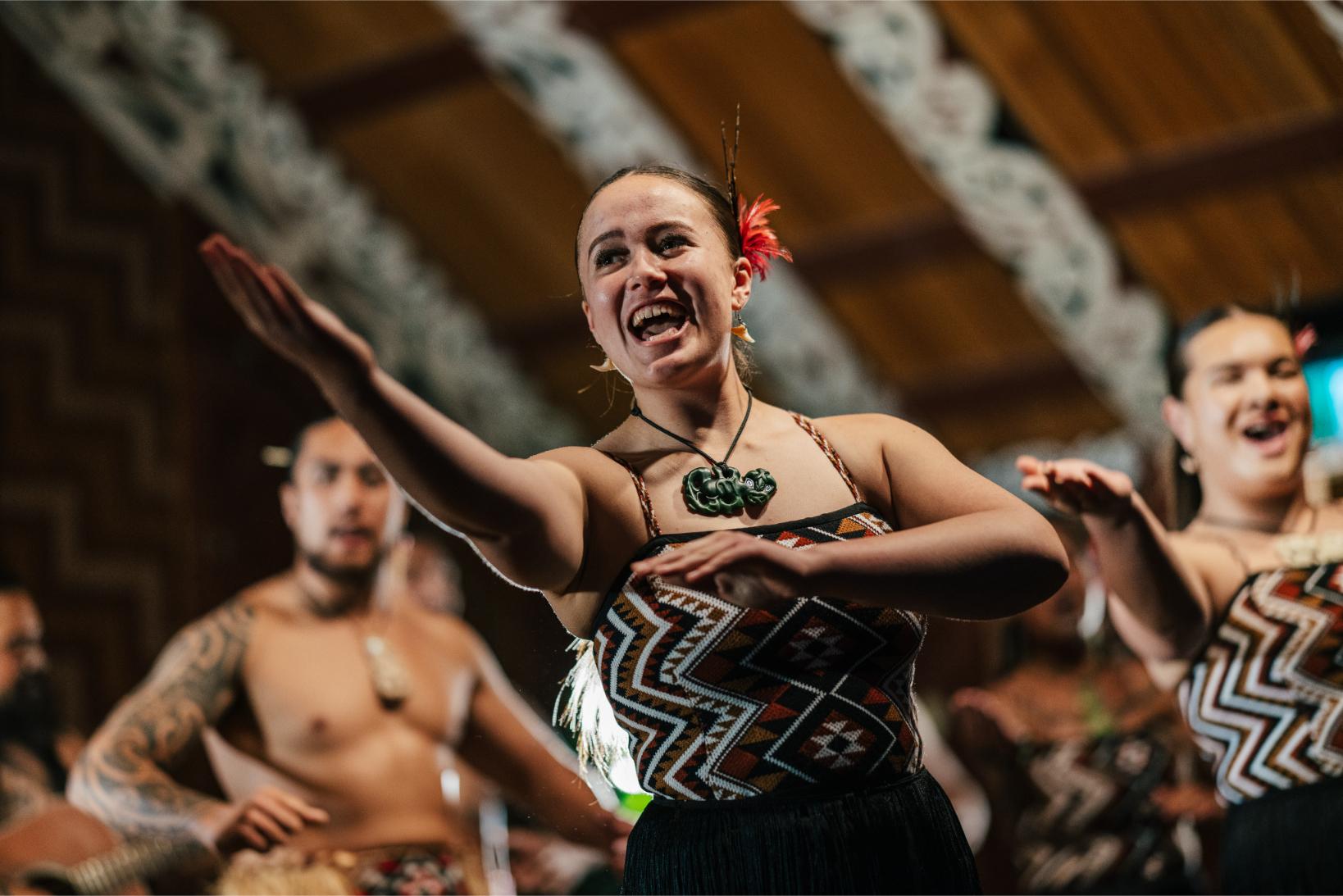
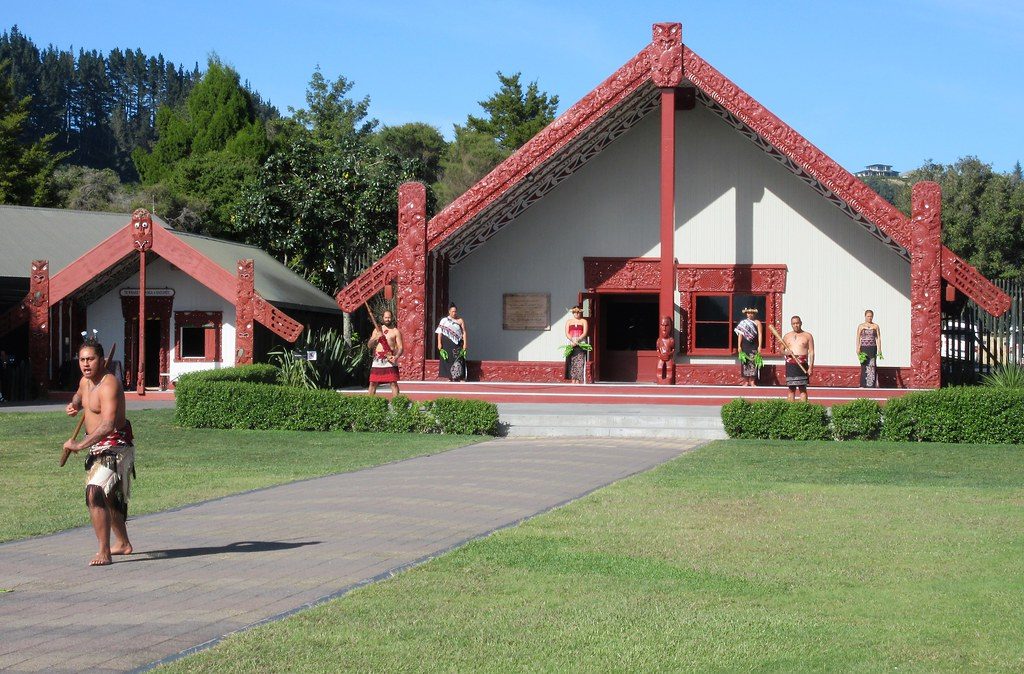
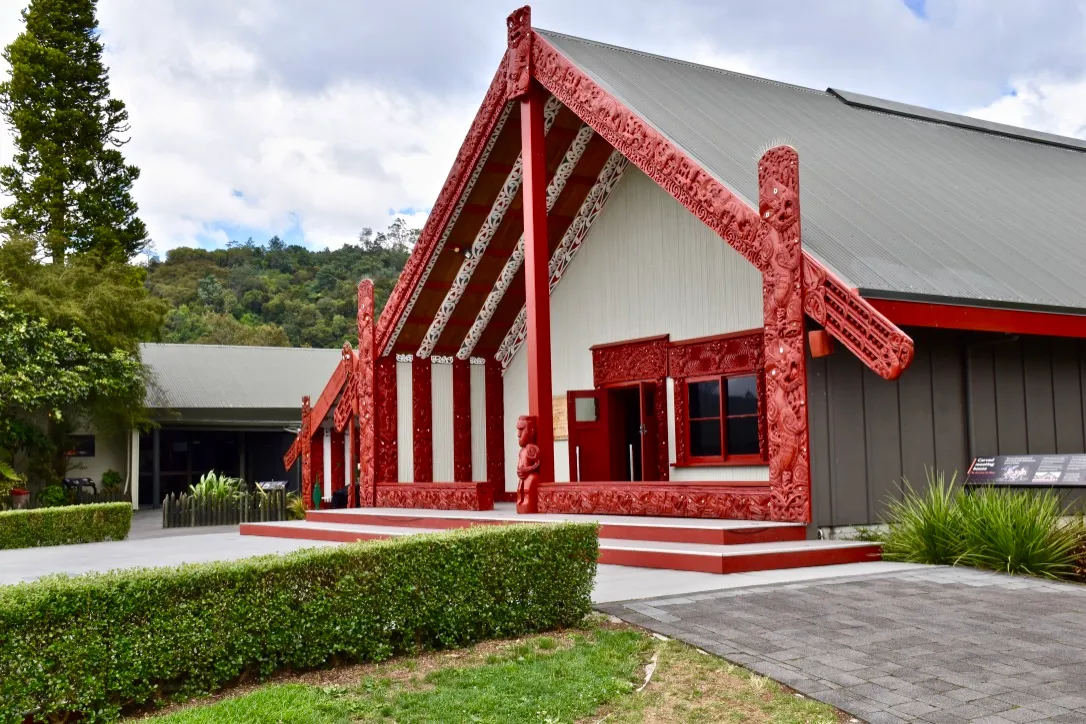
A traditional meeting house featuring intricate carvings that showcase the historical significance of Māori community life. It is often the venue for cultural performances.
You come off State Highway 5 and turn into Hemo Road, and the steam finds you before the entrance does. Doors open at 09:00, and arriving inside the 09:00–16:00 window gives you room for the 90-minute guided walk without watching the clock.
You collect your auckland to rotorua tour tickets at the gate, then wait for the pōwhiri — the welcome — before your guide leads you through.
You start at the carving school. You stand close enough to hear the mallet strike and see tōtara shavings curl onto the floor. Next door, in the weaving house, you watch flax stripped to its fibre by thumbnail. Then the path opens onto the valley, and you follow the boardwalk toward Pōhutu, where the ground is warm through your soles and the sinter terraces glare white in sun.
You wait. The geyser is not scheduled, but it plays most hours, and when it goes the sound arrives first. You step back from the spray line. Later you duck into the kiwi house, let your eyes adjust to red light, and pick out a bird working the leaf litter.
By 16:00 the light angles low across the mud pools. If you booked an auckland to rotorua day tour, this is where your coach reloads — and the steam is still rising behind it.
All the details about your upcoming adventure in one place
This auckland to rotorua tour follows State Highway 1 south through the Waikato to Te Whakarewarewa Valley, where the Pōhutu geyser erupts above bubbling mud pools and silica terraces. Guests visit the New Zealand Māori Arts and Crafts Institute, watch carvers and weavers at work, and meet the kiwi birds in the nocturnal house. Most auckland to rotorua tour tickets include geothermal valley entry, a guided walk with a local Te Arawa host, and coach travel both ways.
Pōhutu means "big splash", and the geyser has kept its word for well over a century, throwing boiling water up to thirty metres above the Whakarewarewa Valley floor, once or twice an hour, most days of the year.
Te Puia occupies 60 hectares of that valley at 20 Hemo Road, Tihiotonga, on land held by Te Arawa hapū. Ngāti Wāhiao and Tūhourangi have lived beside these vents for generations, cooking in steam boxes and bathing in heated pools. The New Zealand Māori Arts and Crafts Institute was established here by an Act of Parliament in 1963, and the valley became both a working school and a place of welcome. Travellers arriving on an auckland to rotorua tour cross roughly 230 kilometres of Waikato farmland to reach it — the same corridor served by auckland to rotorua bus tour coaches, private transfers, and the combined auckland to rotorua hobbiton tour itineraries that pair Matamata's film set with geothermal country.
What holds attention on arrival is craft rather than spectacle. Te Wānanga Whakairo, the national wood carving school, trains a small intake of students who work in tōtara with mallet and chisel, and Te Rito, the weaving school, teaches harakeke flax preparation, dyeing, and tāniko patterning. Their output is not souvenir stock; it is commissioned work for marae across the country. Nearby, Te Ohaaki-a-Rahi, the marae complex, is fronted by a carved wharenui whose maihi and amo carry Te Arawa ancestral narratives, each figure legible to those who know the whakapapa.
The geothermal field itself is a functioning system, not a display. Alkaline chloride water rises through fractured rhyolite, cools, and precipitates silica sinter into the pale terracing around Papakura and Pōhutu. Mud pools bubble at Ngāraru. Steam drifts across the boardwalks in cold weather and thins in the afternoon. A nocturnal kiwi house on the same grounds holds birds in a managed conservation programme, viewable under red light.
Guided interpretation matters here because the meaning is layered — geological, ancestral, and contemporary at once. Visitors comparing auckland to rotorua tour packages will find Te Puia bundled into most itineraries, from the auckland to rotorua day tour that turns around by evening to the auckland to rotorua tour one way transfers used by travellers continuing to Taupō or Napier. Entry to the Te Rā guided experience is 105 NZD for adults, and the site opens 09:00–17:00 every day of the week, which shapes how any auckland to rotorua tour tour is timed.

Pōhutu has kept its word for well over a century, throwing boiling water thirty metres above the valley floor.
Casual, comfortable clothing is recommended for walking the geothermal valley. Sturdy walking shoes are essential as paths can be uneven.
Large bags are discouraged as there is no storage facility on-site. Security may inspect bags at the entrance for prohibited items.
Photography is encouraged throughout the geothermal valley and the New Zealand Māori Arts and Crafts Institute. Please be respectful of cultural performances and private displays.
Families are welcome, and children under 5 years old may enter for free. Prams are suitable for parts of the main boardwalks, though some areas require manual navigation.
The main visitor center and key viewing platforms are accessible. Some geothermal paths may have steeper gradients or natural uneven ground.
Outside commercially prepared food, chilly bins, and cans are prohibited on-site. Guests may enjoy dining at the Pātaka Kai Restaurant.
Opening hours
09:00–17:00
Address
20 Hemo Road, Tihiotonga, Rotorua 3040, New Zealand
Accessibility
Full access to main paths and center
Best arrival
09:00–16:00 — Arrive early to avoid peak crowds and ensure sufficient time for the 90-minute guided tour.
Storage
Not provided; travel light
Navigation
Follow the Tuku Iho Trail for geothermal views
Cancellations made at least 24 hours prior to the experience are refundable. Bookings are subject to the 105 NZD adult entry fee for Te Rā guided experience.
Recommended time
3-4 hours
For those undertaking an auckland to rotorua tour, allocating at least three hours ensures you can experience the geothermal activity and cultural performances without rushing. Arriving early is essential to navigate the Pohutu Geyser site before the primary influx of auckland to rotorua tour tours arrives by mid-morning. If you intend to purchase auckland to rotorua tour tickets on-site, plan for extra time during peak hours to clear security and registration. Following the 90-minute guided experience allows you to explore the wood carving school and kiwi conservation center at a relaxed pace.
Crowd levels through the day
The valley's Māori name records a battle, not a spectacle. Te Whakarewarewatanga o te Ope Taua a Wahiao — the uprising of the war party of Wahiao — was shortened by settlers to Whakarewarewa. Ngāti Wāhiao and Tūhourangi held this ground long before any auckland to rotorua tour reached Hemo Road. Boiling springs, silica terraces and the Pōhutu Geyser served as cooking pits, bathing pools and winter warmth. Pōhutu still lifts water some thirty metres, once or twice an hour, and remains among Rotorua's working landmarks. On 10 June 1886 Mount Tarawera erupted. The Pink and White Terraces were destroyed and Te Wairoa was buried. Tūhourangi survivors were granted refuge at Whakarewarewa by Ngāti Wāhiao, and the valley became their home. Guiding followed. Sophia Hinerangi, who had rowed parties across the vanished terraces, guided here until her death in 1911. Rangitiaria Dennan — Guide Rangi — walked the same paths from the 1930s until 1965. Modern auckland to rotorua tour tours retrace routes those women established. Craft was rescued next. The Māori Arts and Crafts Act 1926, promoted by Sir Āpirana Ngata, founded a carving school at Rotorua, with Ngāti Tarāwhai carvers among its first tutors. The New Zealand Māori Arts and Crafts Institute Act of 1963 then placed the national schools inside the thermal reserve itself. Te Wānanga Whakairo Rākau, the national wood carving school, opened in 1967 under master carver Hōne Taiapa. Te Rito, the national weaving school, followed in 1969; Te Takapū o Rotowhio, for stone and bone, in 2009. Whakairo and raranga are taught here as trades, and visitors holding auckland to rotorua tour tickets see that work in progress. The near-disaster was quieter than an eruption. Domestic and commercial bores drew heavily on the geothermal field through the mid-twentieth century, and Papakura Geyser fell silent in 1979. From 1986 the Crown ordered the closure of bores within 1.5 kilometres of Pōhutu, and hundreds were capped by 1987. Geyser activity recovered. Every auckland to rotorua tour tour now rests on that intervention, as does any Rotorua geothermal valley tour. Rotowhio Marae, the carving benches and the silica terraces survive as the reserve's living core.
Mount Tarawera erupts, destroying the Pink and White Terraces and burying the village of Te Wairoa.
Tūhourangi refugees settle at Whakarewarewa, where Sophia Hinerangi guides visitors through the valley until her death in 1911.
The Māori Arts and Crafts Act, promoted by Āpirana Ngata, establishes a carving school at Rotorua.
The New Zealand Māori Arts and Crafts Institute Act places the national schools within the Whakarewarewa thermal reserve.
Te Wānanga Whakairo Rākau, the national wood carving school, opens under master carver Hōne Taiapa.
Papakura Geyser ceases erupting after decades of geothermal extraction beneath Rotorua.
Bores within 1.5 kilometres of Pōhutu are capped by government order, and geyser activity in the valley recovers.
Te Takapū o Rotowhio, the national stone and bone carving school, is established at Te Puia.
Exploring this geothermal wonderland is a memorable experience for families, as kids can marvel at the active Pōhutu geyser and learn about Māori culture. Your auckland to rotorua tour is well-suited for all ages, provided you prioritize safety around the valley's natural features.
The park is stroller-friendly with many paved or compact gravel paths, though some areas may have inclines. Complimentary wheelchairs are available to borrow from the ticketing office if needed for those with limited mobility.
Always supervise children closely and ensure they remain on marked paths and boardwalks at all times. The geothermal pools and mud pots are extremely hot and strictly off-limits to touch.
You will find convenient baby-changing facilities on-site to assist with younger children during your visit. These amenities are integrated into the main visitor areas to keep your auckland to rotorua tour tour comfortable.
Families can view live kiwi birds in a specialized nocturnal enclosure, which serves as a highlight for many young visitors. This educational stop is a fantastic way to see New Zealand's iconic wildlife after securing your auckland to rotorua tour tickets.
The site is best explored over 2-3 hours to allow children time to engage with the cultural performances and carving demonstrations. Planning your visit around the frequent geyser activity helps maintain engagement for all family members.
Visitors near an auckland to rotorua tour can enjoy integrated dining experiences directly within the valley. While many travelers prefer the convenience of the on-site geothermal cooking demonstrations, there are limited local alternatives immediately outside the main entrance, making the primary café the most practical choice for those with auckland to rotorua tour tickets.
This venue features traditional Māori cooking methods using geothermal steam to prepare indigenous ingredients. It serves as a central hub for those completing auckland to rotorua tour tours who wish to sample local flavors in a cultural setting.
Located within the same facility, this spot provides quick bites and refreshments for guests needing a fast meal. It is an ideal stop for visitors maximizing their time before their next auckland to rotorua tour tour departure.
Real experiences from real travelers
We booked the auckland to rotorua tour mostly for the drive south and ended up talking about Te Puia the whole way home. Pōhutu went up about twenty minutes after we reached the terraces and the wind pushed the spray right over the boardwalk, so bring a jacket you do not mind getting damp. The sulphur smell is real but you stop noticing it after ten minutes.
Watching a carver work tōtara with a mallet, no rush, no performance for the camera — that was the part I did not expect. The wharenui carvings out front are worth standing in front of for a while rather than photographing and moving on. Our guide on the Rotorua geothermal tour explained the kōwhaiwhai patterns without turning it into a lecture.
It rained lightly the whole morning and honestly the steam looked better for it, thick and low over the silica terraces. The kiwi house is dark and quiet and you need to let your eyes adjust before you see anything. Booking the auckland to rotorua tour tickets ahead meant we were not standing around at the entrance.
Be aware it is roughly three hours each way from the city, so this is a full day on the road. Te Puia itself was the highlight of our North Island trip and the geothermal valley is far larger than the photos suggest. Comfortable shoes matter more than anything else you pack.
Late afternoon light through the steam on the terraces was the best thing I photographed in New Zealand. Our driver kept the auckland to rotorua tour running on time without ever making it feel rushed, which I appreciated. The mud pools sound like slow boiling porridge and you can hear them before you see them.
I thought a bus day trip would feel packaged, but the pace at Te Puia was relaxed and there was space to wander the boardwalks alone. The pou whenua and the carved gateway are impressive up close. Loved that the guide spoke about the valley as a living place rather than a scenic stop.
Three things I remember: Pōhutu going off twice, the weaving studio with harakeke flax hanging up to dry, and finally seeing a kiwi properly. Auckland to rotorua tour tours tend to cover a lot of ground, but this one gave Te Puia enough time to actually absorb it. Mornings were cold in July even with sun.
Visiting in January meant hot sun on top of geothermal heat, so the shaded sections of the boardwalk were welcome. The silica terraces are chalky white and orange and look nothing like any landscape I have seen. Good stop if you are working through the North Island landmarks in a short trip.
Solid Rotorua geothermal experience with clear commentary on the drive down. The wharenui and the carving school gave the day some depth beyond the geysers. Would suggest a rain layer regardless of forecast, the steam alone will dampen you.
We got lucky and Pōhutu erupted just as we reached the upper viewing point, easily thirty metres of water and steam. The auckland to rotorua tour tour picked us up early which meant quieter boardwalks before the coaches arrived. Ngā Mokopuna area was calm and the mineral colours in the rock were stronger than I anticipated.
Everything you need to know for your journey
Te Puia is open daily from 09:00–17:00. It is recommended to plan your auckland to rotorua tour within these times.
The Te Rā guided experience lasts approximately 90 minutes. This is a core feature of your auckland to rotorua tour.
Yes, but booking online is advised to secure your auckland to rotorua tour tickets in advance.
Most of Te Puia’s main paths are accessible, though some geothermal areas have natural terrain. Always verify specific accessibility needs before your auckland to rotorua tour.
Bring comfortable shoes, sunscreen, and water. These are essential for a pleasant auckland to rotorua tour.
Items like chilly bins, glass containers, and commercially prepared food are prohibited at Te Puia. Keep this in mind when preparing for your auckland to rotorua tour.
Yes, families are welcome, and children aged 0-4 enter for free. It is a great way to enjoy an auckland to rotorua tour together.
The best arrival window is 09:00–16:00. Arriving early helps avoid peak crowds during your auckland to rotorua tour.
Cancellations require 24-hour notice for a full refund. Review your confirmation details after booking your auckland to rotorua tour.
No, animals are not permitted at Te Puia, except for registered assistance dogs.
Join thousands of happy travelers who have discovered this incredible experience
Book Your Experience Now